
Types of property surveys explained
A mortgage valuation is not a survey. It tells the lender the property is worth what they are lending — nothing more. If you want to know what you are actually buying, you need an independent RICS survey. Here is how to choose the right level.
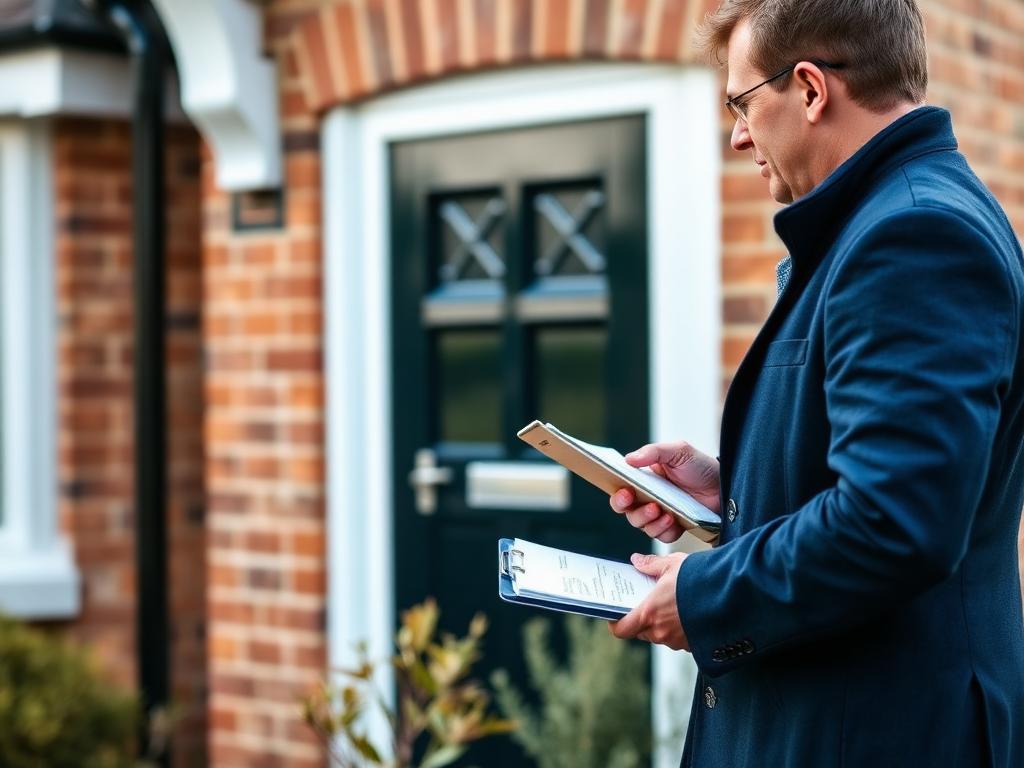
Level 1 — Condition Report
The most basic RICS survey. It uses a traffic-light system to flag urgent defects but does not include advice or a valuation.
Suitable for: new-build homes and modern properties in obviously good condition.
Typical cost: £300-£450.
Level 2 — HomeBuyer Report
The most popular choice for standard UK homes built after 1930 in reasonable condition. Covers structure, damp, timber, services and grounds, with a market valuation and a rebuild figure for insurance.
Does not include invasive inspection — the surveyor will not lift floorboards or move heavy furniture.
Typical cost: £450-£800.
Level 3 — Building Survey
The most thorough report. Recommended for properties over 80 years old, listed buildings, timber-framed or thatched homes, and anything you plan to significantly alter.
Includes detailed analysis of construction, likely repair costs, and long-term maintenance advice.
Typical cost: £700-£1,500 depending on size and location.
How to use the report
Every survey will flag issues — do not panic at red items. Ask the surveyor to talk you through the report by phone; it is usually free and hugely clarifying.
Use significant findings (damp, roof, structural movement) to renegotiate the price or ask the seller to complete works before exchange.
Share the report with your conveyancer. They can raise enquiries on the back of it.
Need help with your move?
Get matched with regulated UK conveyancers, surveyors and mortgage brokers who fit your situation.
Get matched